
Top Financed Home Upgrades for Florida Homes

Updated: Sep 9
A major home upgrade can feel easy to postpone until a storm forecast, a roof leak, or an AC breakdown forces the issue. The top financed home upgrades for Florida homeowners are usually the ones that protect the home first, solve an immediate problem, and add lasting value without requiring the full project cost upfront.
Financing can make a well-planned project more manageable, but it should not turn a poor fit into a purchase. The right upgrade depends on your home’s age, condition, location, insurance requirements, and the work already completed. For most South Florida homeowners, hurricane protection, roofing, and cooling deserve attention before cosmetic improvements.
Top Financed Home Upgrades That Protect Florida Homes
Impact windows and doors
Impact-resistant windows and doors are often at the top of the list because they address several homeowner concerns at once: hurricane protection, wind-borne debris, security, outside noise, and energy efficiency. Unlike standard glass with removable shutters, properly rated impact products are designed to remain in place as part of the home’s protective envelope.
That does not mean every impact product is the same. The right choice must meet the applicable Florida building requirements for your home and opening size. Glass type, frame material, design pressure rating, installation method, and manufacturer approvals all matter. A beautiful window is not enough if it is not approved or installed correctly for the application.
This project is often well suited to financing because a full-home replacement can be substantial, while the protection benefits are immediate. Homeowners should also ask how the contractor will handle measurements, permits, inspections, old-window removal, finishes, and any damaged surrounding areas discovered during installation. Those details affect both the final cost and the experience.
Roof replacement or major roof repair
Your roof is the first line of defense against Florida’s heat, rain, and wind. If shingles are failing, tiles are loose, underlayment has reached the end of its useful life, or leaks are showing inside the home, waiting can allow a manageable project to become a larger repair.
A financed roof replacement may be more practical than repeatedly paying for temporary repairs on a system that is already worn out. It can also be especially timely when homeowners are preparing for hurricane season, buying or selling a home, or responding to an insurance request. Still, a roof should not be replaced based on age alone. A qualified contractor should inspect the condition of the existing system, identify the source of any leaks, and explain whether repair or replacement makes more sense.
Florida roofing projects involve more than selecting a shingle color or tile profile. Permits, required inspections, decking condition, flashing, ventilation, and code-compliant installation all need to be considered. A lower estimate may exclude items that are necessary once the roof is opened. Compare written estimates line by line so you are looking at comparable materials, scope, and specifications.
Air conditioning replacement
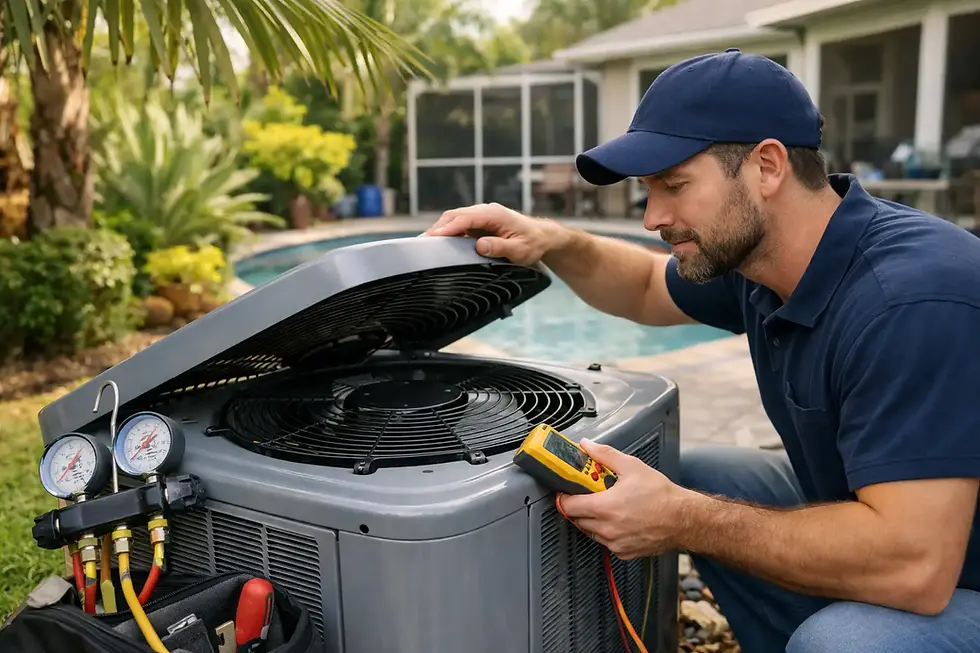
In South Florida, air conditioning is not a luxury upgrade. It is a core home system. An older unit that runs constantly, cools unevenly, leaks, or needs frequent repairs can raise monthly operating costs and leave your family uncomfortable when demand for service is at its highest.
Financing a new AC system can make sense when repair costs are adding up or the unit is no longer dependable. A properly sized, efficient system can improve comfort, but homeowners should be cautious about promises of dramatic savings. Actual energy use depends on the equipment, ductwork, insulation, thermostat settings, home layout, and how the system is installed.
The contractor should evaluate the whole setup, not simply replace the outdoor unit with the same size. Oversized or undersized equipment can create humidity and comfort problems. Ask what equipment is included, whether electrical or duct modifications may be needed, how permits will be handled, and what warranty coverage applies to both equipment and labor.
Hurricane protection for vulnerable openings
Homes without impact-rated windows and doors may benefit from other forms of approved hurricane protection, depending on the property and budget. The goal is to protect openings that could allow wind and water into the home during a severe storm.
This can be a practical phased approach for homeowners who are not ready to replace every window immediately. However, it is important to understand the difference between a temporary solution and a long-term investment. Product approvals, fastening methods, storage needs, ease of deployment, and local building requirements all influence whether a protection system is a good fit.
A contractor should explain what is approved for your specific opening and manage the permitting process where required. Do not assume a product advertised as hurricane protection automatically meets the requirements for every house.
Energy-focused interior upgrades
Some homeowners finance smaller improvements alongside major exterior work, particularly when they improve comfort and privacy. Zebra blinds, for example, can help manage glare and sunlight while giving homeowners flexible control over light levels. They are not a substitute for impact protection, roofing, or a working AC system, but they can complement a larger home-improvement plan.
Interior upgrades generally belong later in the priority list unless they solve a specific daily problem. If the roof is leaking or windows are outdated, directing funds toward protection first is usually the stronger decision.
How to Decide Which Upgrade Comes First
A simple rule helps: address safety, water intrusion, and system failure before appearance. A roof leak, failing window opening, or unreliable AC system should receive more urgency than a purely cosmetic project because damage can spread and costs can rise while you wait.
Start with the condition of the home. Look for roof staining, missing or damaged materials, window condensation, drafts, difficult operation, high energy bills, repeated AC repairs, or visible water intrusion. Then consider timing. Hurricane season, an upcoming insurance inspection, a home purchase, or an aging system near failure may change the order of priorities.
It also helps to think in phases. For example, a homeowner may replace the roof now, install impact windows and doors next, and add interior light-control products later. Financing can support this approach, but only if the monthly payment fits comfortably within the household budget after accounting for insurance, maintenance, and other home expenses.
What to Ask Before Financing a Home Improvement Project
Financing should be clear, not confusing. Before signing, review the total project scope and understand the financing terms offered to you. Ask about the payment amount, term length, interest rate or promotional terms if applicable, fees, timing of payments, and what happens if the project scope changes.
You should also confirm who is responsible for permits, inspections, product approvals, scheduling, and final cleanup. These are not minor administrative details. Proper permits and inspections help verify that the work meets applicable requirements and can prevent complications when selling, refinancing, or making an insurance claim.
When comparing contractors, do not compare only the bottom-line price. Confirm licensing, insurance, product specifications, warranty terms, and who will supervise the job. A project that appears less expensive may not include the same products, permit work, or installation details.
Premier Hurricane Solutions is family-owned and owner-operated, with a licensed Florida General Contractor personally involved in projects. That level of oversight matters when the work involves your roof, windows, doors, and the systems that protect your home. For comparable scope, products, and specifications, the company will match or beat legitimate written competitor estimates.
A Better Way to Plan a Financed Upgrade
The best time to start planning is before a small problem becomes an emergency. Request a free estimate, describe your priorities, and ask for a straightforward explanation of the recommended work. A good contractor will not push every available upgrade. They will help you understand what needs attention now, what can wait, and how the project will be completed from permit to final inspection.
A financed upgrade should leave you with more than a monthly payment. It should leave your home better protected, more comfortable, and easier to maintain when Florida weather puts it to the test.


Comments