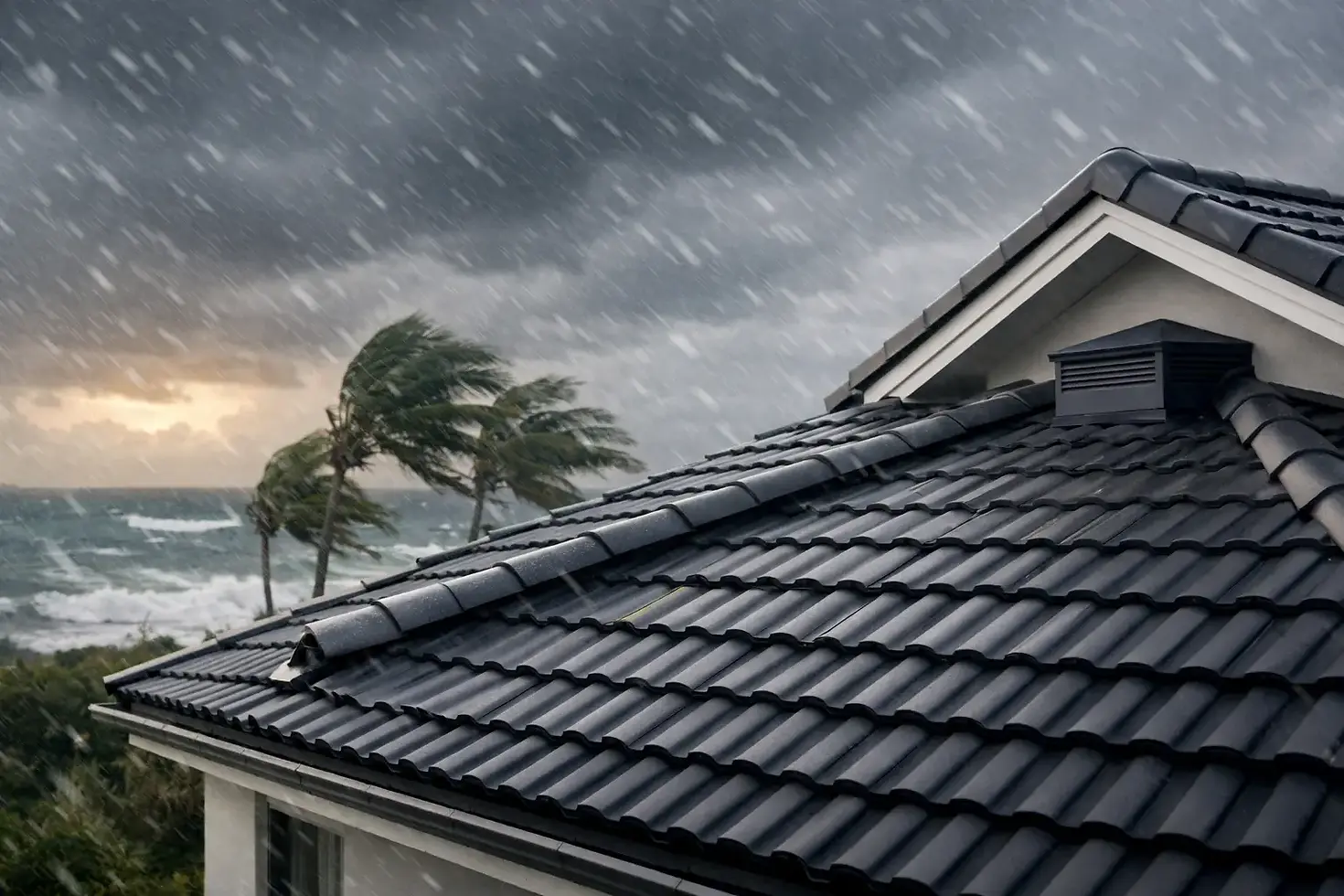
Best Roof for Hurricane Areas in Florida
- crinpr
- Mar 25
- 5 min read
If you live in South Florida, your roof is not just another part of the house. It is the first line of defense when wind speeds rise, rain turns sideways, and hurricane season starts to feel very real. Choosing the best roof for hurricane areas is not about picking whatever looks good from the street. It is about protecting your family, reducing the chance of major water damage, and making sure your home can stand up to Florida’s weather and building code demands.
For many homeowners, the answer is not one single roof for every house. The best choice depends on your home’s structure, your budget, the slope of the roof, and whether the system is installed the right way. That last part matters more than many people realize. Even a strong material can fail if the installation is rushed or not code-compliant.
What makes the best roof for hurricane areas?
A hurricane-resistant roof needs more than strong shingles or panels. It has to work as a complete system. That means the roof covering, underlayment, fastening pattern, edge details, and attachment to the structure all need to perform together under pressure.
In Florida, wind uplift is one of the biggest concerns. During a storm, wind does not just hit the roof from above. It creates suction that tries to pull roofing materials away from the deck. Once part of the system lifts, water can enter quickly and damage insulation, ceilings, walls, and electrical systems.
That is why the best roof for hurricane areas usually shares a few common traits. It has high wind resistance ratings, secure attachment methods, good water-shedding performance, and installation that follows current code requirements. It should also make sense for your specific home, not just look good in a brochure.
Best roofing materials for hurricane-prone homes
Metal roofing
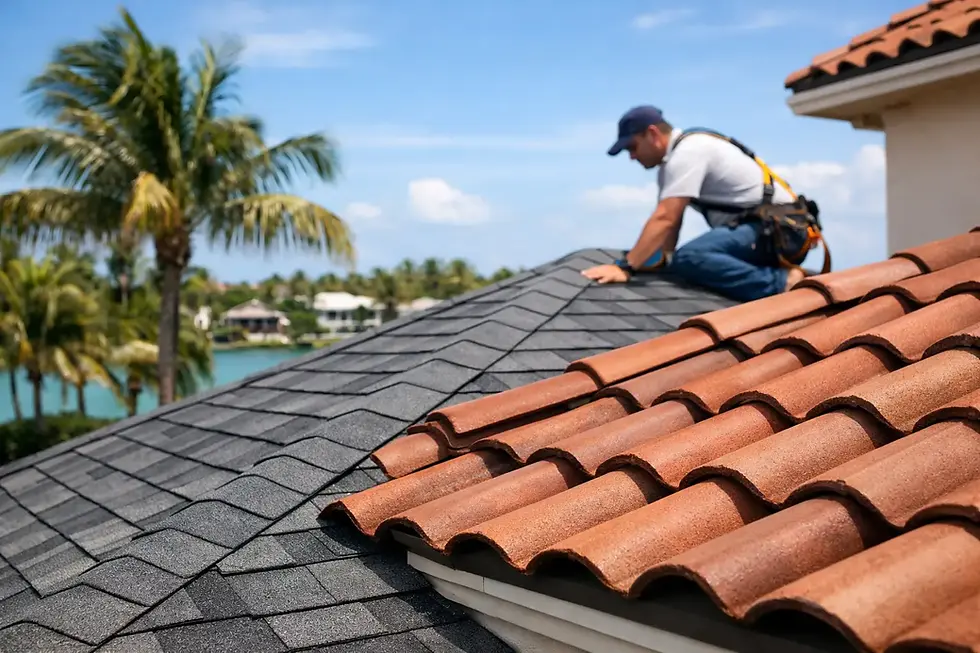
For many Florida homes, metal roofing is one of the strongest options available. A properly installed standing seam or screw-down metal roof can perform very well in high winds, and metal also sheds water efficiently. It is durable, long-lasting, and often lighter than tile, which can reduce structural stress on some homes.
The trade-off is cost. Metal roofs usually cost more upfront than asphalt shingles. They also need experienced installation. If panels, seams, or fasteners are not handled correctly, performance can suffer. When done right, though, metal is one of the top contenders for homeowners who want long-term storm protection.
Architectural asphalt shingles
Architectural shingles are popular because they are more affordable than metal or tile and can still offer strong wind ratings when paired with the right underlayment and fastening pattern. For many homeowners, this is the practical middle ground between cost and protection.
Not all shingle roofs are equal, though. Basic three-tab shingles are generally not the best fit for severe hurricane exposure. Higher-quality architectural shingles with enhanced wind resistance are a better option. The key is making sure the system is installed to Florida code and not treated like a standard roof in a milder climate.
Concrete or clay tile
Tile roofs are common across South Florida, and they can be very durable. Concrete and clay tile also hold up well against heat and sun, which matters in Florida year-round. Many homeowners choose tile for both appearance and longevity.
Still, tile has some trade-offs in hurricane zones. Individual tiles can crack or come loose if they are not secured properly, and repairs after storms can be more specialized. Tile is also heavier than other roofing materials, so the structure underneath must be able to support it. A tile roof can be an excellent option, but it is not automatically the best choice for every home.
Why installation matters as much as the material
Homeowners often ask which roof material is strongest, but the better question is which roof system is strongest after installation. A top-rated product installed poorly will not protect your home the way it should.
This is where contractor experience matters. In Miami and throughout South Florida, roofing work needs to account for local code requirements, permit processes, wind zone standards, and inspection expectations. A roof replacement is not just a materials purchase. It is a structural protection project.
At Premier Hurricane Solutions, we are based in Miami and specialize in impact windows, roofing, and blinds for Florida homeowners who want real storm protection without the usual confusion. All projects are supervised by the owner, a licensed General Contractor, so there is accountability from start to finish. We also handle permits and offer financing, which helps families move forward before hurricane season instead of delaying needed upgrades.
Roof shape and design also affect storm performance
Material matters, but roof design plays a role too. Some roof shapes handle wind better than others. Hip roofs, for example, often perform better in hurricanes than gable roofs because they have slopes on all sides and generally experience less wind pressure at the ends.
That does not mean every homeowner needs to rebuild the roof shape to improve protection. In many cases, stronger decking attachment, improved underlayment, better edge securement, and a quality reroof can make a major difference. If your current roof is aging or has already had repair issues, this is the right time to evaluate whether the whole system is still storm-ready.
Signs your current roof may not be ready
If your roof is older, has loose or missing materials, shows signs of leaks, or has already been patched multiple times, it may not be the level of protection your family needs. Florida storms expose weak points fast. What looks like a minor issue in dry weather can become major interior damage once wind-driven rain finds a path inside.
Age is another factor. Even if a roof looks acceptable from the ground, older materials may have lost flexibility, seal strength, or fastening integrity. If your roof is approaching the end of its service life, waiting until a named storm is approaching is a risky strategy.
How to choose the right roof for your Florida home
The best decision usually starts with an honest inspection and a conversation about priorities. Some homeowners want the longest lifespan possible. Others need the best balance between storm protection and budget. Some are preparing a forever home, while others want a code-compliant replacement that protects value and lowers risk now.
A good contractor should explain your options clearly, not push one product without context. For example, metal may be ideal for one home, while a high-quality architectural shingle system may make more sense for another. Tile may be worth considering if the structure supports it and the homeowner is comfortable with the cost and maintenance profile.
The right answer depends on your home, but the wrong answer is delaying a roof decision until the season is already underway.
Best roof for hurricane areas and whole-home protection
Your roof does not work alone during a storm. A home performs best when exterior protection systems work together. That includes impact windows, impact doors, shutters, and other improvements that reduce pressure changes and help secure the building envelope.
If windows fail during a hurricane, internal pressure can increase and place even more stress on the roof. That is why many Florida homeowners choose to improve multiple systems over time, especially when financing is available. A coordinated plan often protects the home better than treating each upgrade as a separate issue.
Act before hurricane season puts you on the clock
The best time to replace or upgrade a roof is before storm warnings begin and contractor schedules tighten across South Florida. Waiting can limit your options, delay permits, and leave your family exposed when weather patterns shift.
If you are comparing roofing options and want straightforward guidance, call Premier Hurricane Solutions at (305) 963-8067 for a free estimate. We help Miami and South Florida homeowners choose roofing systems built for real hurricane conditions, with owner-supervised installation, permit support, and financing options that make protection more accessible.
A stronger roof does more than cover your home. It gives your family one less thing to worry about when the forecast changes.


Comments