
How to Prepare Home for Hurricane Season
- crinpr
- Mar 29
- 6 min read
The days before a storm warning are the worst time to figure out whether your roof is aging, your windows can handle debris, or your shutters still work. If you are wondering how to prepare home for hurricane season, the smartest move is to start before the forecast turns serious. In Florida, early preparation gives you more options, better scheduling, and more peace of mind when the wind starts picking up.
For most homeowners, hurricane prep is not really one task. It is a mix of structural protection, maintenance, paperwork, and timing. Some upgrades are fast and affordable. Others are bigger investments that protect your family, reduce stress, and can strengthen your home for years to come. The key is knowing what matters most for your property and acting before contractors are booked solid.
How to prepare home for hurricane risks starts with the envelope
When a home fails during a hurricane, it usually starts at the exterior. Wind finds the weakest point first. That might be an old roof, a door that is not impact-rated, a broken seal around a window, or openings that allow pressure and water to get inside.
That is why the first priority should be your home envelope - the roof, windows, doors, and any opening exposed to wind and flying debris. If one part is compromised, the damage can spread fast. Water intrusion, ceiling collapse, ruined interiors, and mold often follow what started as a single vulnerable point.
Impact windows are one of the most effective long-term upgrades because they help protect against debris without requiring last-minute setup. They also add everyday benefits like noise reduction, energy efficiency, and security. But they are not the right fit for every timeline or budget. If you need a faster protective option, accordion shutters can make sense, especially when installed correctly and maintained so they are ready when needed.
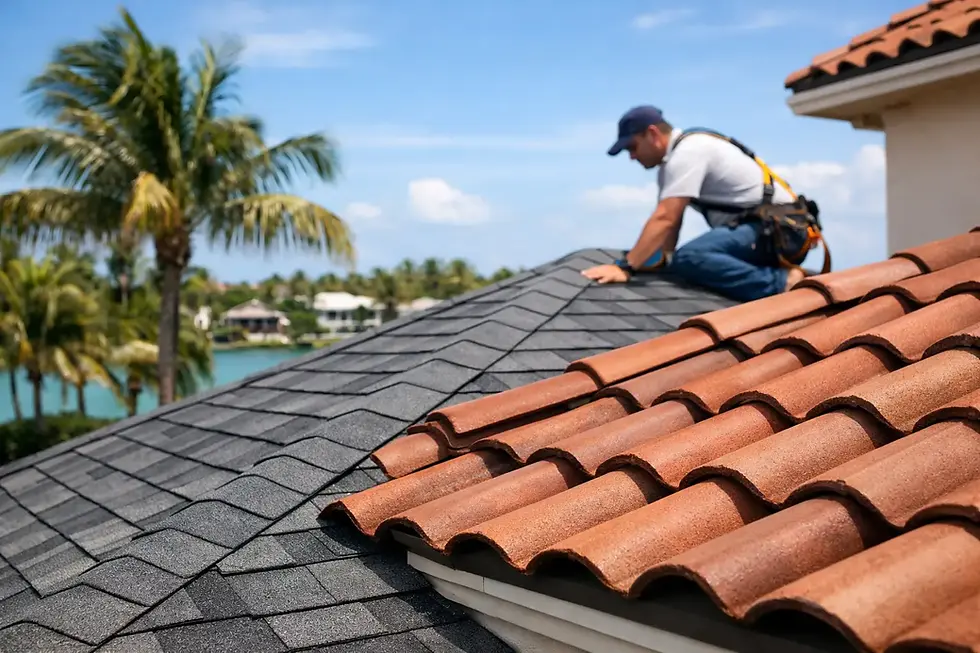
Roofing is equally critical. A roof near the end of its life may look acceptable on a dry day and still perform poorly in a storm. Missing shingles, soft spots, older underlayment, and flashing issues all increase risk. If your roof already has signs of wear, hurricane season is not the time to wait and hope for one more year.
Check what your home can handle before storm season
A lot of homeowners make the mistake of preparing only when a storm is named. By then, supply chains tighten, permit timelines become more stressful, and installation calendars fill up quickly. A better approach is to inspect your home while you still have time to make good decisions.
Walk the exterior and look at the areas that usually fail first. Are your windows original and non-impact? Do exterior doors latch tightly? Is the garage door reinforced? Are there roof stains inside the attic or ceilings? Are gutters pulling away or clogged with debris that could back up water?
Trees matter too. A healthy tree can still become a problem if branches hang over the roofline. Trimming back limbs reduces the chance of impact damage and keeps debris from piling up in valleys and drains. Loose fencing, patio furniture, planters, and decorative items should also be part of the plan. During a hurricane, anything outside can become a projectile.
This is also the point where it helps to be honest about DIY limits. Clearing drains and bringing in furniture is manageable for most households. Replacing windows, repairing roofs, and installing shutters the right way is different. Protection is only as good as the installation.
The upgrades that make the biggest difference
If you are deciding where to invest first, focus on the improvements that protect the structure and reduce the chance of major interior damage.
Impact windows are a strong first choice for many Florida homes because they protect openings without the scramble of storm-day boarding. They are especially valuable for families who travel, older homeowners, or anyone who does not want to depend on physical shutter deployment every time a storm shifts direction.
Roof replacement or targeted roofing repairs may be even more urgent if your current system is aging. A new code-compliant roofing system can improve wind resistance and reduce leak risk, but timing matters. If your roof is already compromised, delaying can turn a planned project into an emergency repair after a storm.
Blinds are not a hurricane barrier, but they do add practical value after impact windows are installed. In South Florida homes, quality blinds help with privacy, interior comfort, and energy performance. That makes them a useful part of an overall resilience and home-improvement plan, especially when homeowners want protection and daily comfort in the same project.
Permits, code compliance, and why they matter
One of the most overlooked parts of hurricane preparation is the administrative side. Homeowners often focus on products and forget that permits, inspections, and local code requirements are part of the job. In Florida, especially in Miami and surrounding areas, those details are not optional.
If an installer cuts corners on permitting or code compliance, the risk does not disappear when the crew leaves. It can come back during an inspection, an insurance claim, or the next major storm. That is why working with a contractor who handles permits and understands local requirements matters just as much as choosing the right product.
For many families, this is where stress starts to build. They do not just need a window or a roof. They need someone to manage the process properly, explain what is required, and keep the project moving. That level of support saves time and helps avoid expensive mistakes.
How to prepare home for hurricane season without guessing
There is no single checklist that fits every Florida property. A newer home with impact-rated openings may only need maintenance, storm planning, and roof review. An older home may need a more serious upgrade path. The right plan depends on the age of the structure, prior improvements, location, and budget.
That is why professional evaluation matters. A good contractor should explain what needs immediate attention, what can wait, and what gives you the best return in protection. Sometimes the answer is impact windows first. Sometimes it is roofing. Sometimes it is a combination approach with financing so the work gets done before the season peaks.
Financing can be the difference between hoping your home holds up and actually making the upgrades you know you need. For many households, spreading out the cost of a major project makes real protection possible without draining savings right before storm season.
Local experience matters in South Florida
Florida homeowners do not need generic advice. They need guidance from professionals who understand local codes, local weather patterns, and the pressure of getting projects completed before hurricane season ramps up.
Based in Miami, Premier Hurricane Solutions specializes in impact windows, roofing, and blinds for homeowners who want real protection without the confusion. We also offer accordion shutters and other exterior resilience upgrades designed for South Florida conditions. Every project is supervised by the owner, a licensed General Contractor, so there is accountability from start to finish. We handle permits, offer financing, and keep the process clear because homeowners should not have to chase answers while trying to protect their families.
That hands-on oversight matters. Hurricane upgrades are not just purchases. They are safety decisions, code decisions, and long-term property decisions. When the work is supervised properly, homeowners feel the difference.
What to do now, not later
If you have been putting off improvements, do not wait for the first storm watch to start calling around. The closer it gets to landfall season, the fewer choices you will have on timing, materials, and installation schedules.
Start with a professional assessment of your windows, roof, and openings. Ask what is vulnerable now, what is code-compliant, and what can realistically be completed before storm activity increases. If budget is a concern, ask about financing instead of delaying the project another year.
Most of all, treat hurricane preparation as a home protection plan, not a panic purchase. The families who feel most prepared are usually the ones who acted early, asked the right questions, and worked with a contractor who took responsibility for both the workmanship and the paperwork.
If you are in Miami or anywhere in South Florida and need help deciding how to protect your home, call (305) 963-8067 for a free estimate. Hurricane season does not wait, and the best time to strengthen your home is before the next warning is on the map. A safer home starts with one clear step taken early.


Comments