
How to Schedule Roof Replacement in Florida
- crinpr
- 5 days ago
- 5 min read
A roof can look acceptable from the driveway while hiding lifted shingles, failing underlayment, soft decking, or leak paths that worsen with the next hard rain. Knowing how to schedule roof replacement means more than choosing an open date on a contractor’s calendar. For Florida homeowners, it means planning around permits, weather, material availability, household routines, and hurricane season before a small concern becomes an urgent repair.
The best time to start is before water is entering the home. A planned replacement gives you more control over the roofing system, the budget, and the installation schedule. Waiting until a storm exposes a problem can limit your options and add stress when your family needs protection most.
Start With a Professional Roof Evaluation
Before scheduling a replacement, confirm whether replacement is truly the right solution. Age is a useful guide, but it is not the only factor. Roof condition, previous repairs, ventilation, flashing, underlayment, and local code requirements all affect the decision.
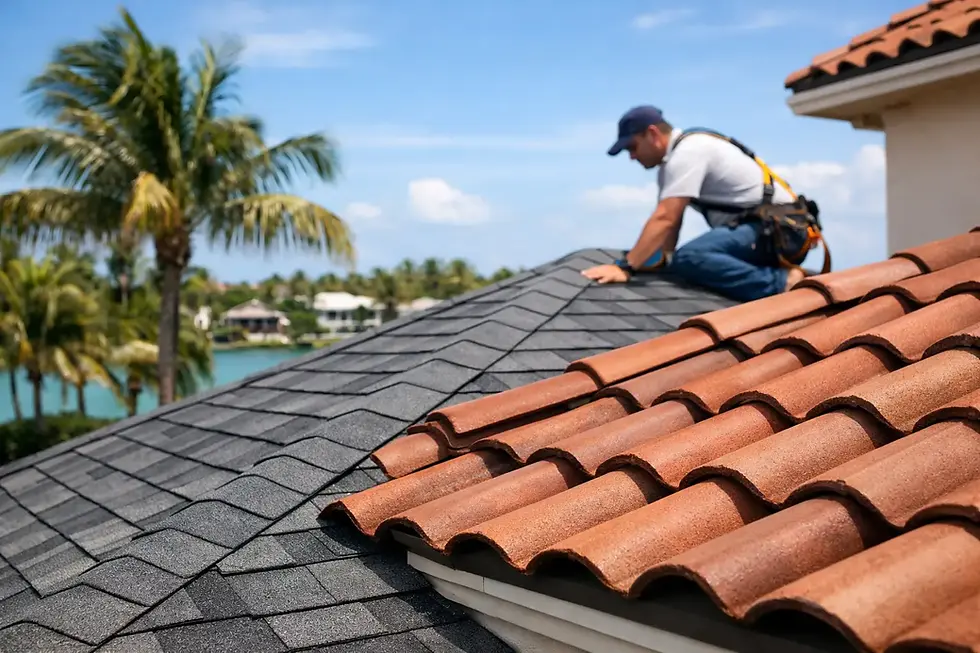
Schedule an on-site evaluation with a qualified contractor who can inspect the roof rather than relying only on photos or a quick estimate. Ask what is causing the concern, whether repairs are still practical, and what type of roofing system fits your home. A trustworthy recommendation should explain the condition in plain language and identify any work that may be needed beneath the visible roof surface.
This first appointment is also the time to discuss your priorities. Some homeowners are focused on stopping leaks. Others want a system that supports better storm readiness, improves curb appeal, or coordinates with impact windows, doors, shutters, blinds, or future solar work. Clear priorities help shape a realistic scope and schedule.
Choose Your Timing Before Hurricane Season
In South Florida, roof replacement is not just a construction project. It is part of preparing your home for severe weather. While roofing can be scheduled throughout much of the year, earlier planning often gives homeowners more flexibility with appointments, materials, permitting, and installation dates.
Do not assume that the driest-looking week is automatically the best week for your project. Rain, wind, active weather systems, inspections, and supplier lead times can all influence the schedule. A professional contractor will monitor conditions and coordinate the work so the home is protected during each phase of installation.
If hurricane season is approaching, contact a contractor as soon as you suspect your roof may be near the end of its service life. The goal is not to rush a major investment without answers. It is to avoid being forced into an emergency decision after a storm. Homeowners in Miami-Dade, Broward, and Palm Beach counties should allow extra time because local permitting and inspection requirements can affect the project timeline.
Get a Written Scope, Not Just a Price
A roof estimate should do more than provide a total. It should tell you what is included, what materials are proposed, and how unexpected conditions will be handled. This is where many scheduling problems begin: a homeowner agrees to a date without understanding the full project scope.
Review the proposed roofing system, removal and disposal, underlayment, flashing, ventilation, edge details, cleanup, and warranty information. Ask whether the estimate accounts for possible damaged decking and how any necessary additional work will be approved. You should also understand whether the contractor will protect landscaping, driveways, and exterior areas during the job.
The lowest estimate is not always the most economical choice. A roof is a protective system, and installation quality matters as much as the shingles, tile, metal, or other material you select. Compare scopes carefully so you are comparing like for like, not simply comparing bottom-line numbers.
Plan Permits and HOA Approval Early
Permits are a central part of how to schedule roof replacement correctly in Florida. They help confirm that the project follows applicable building codes and that the completed work can be inspected. Skipping this step may create problems during a sale, insurance review, or future repair.
Ask who will pull the permit, submit documents, coordinate inspections, and address questions from the local building department. If you live in a community with a homeowners association, check its approval process early as well. HOA requirements for colors, materials, or forms can add time before installation begins.
Premier Hurricane Solutions handles permit coordination as part of a streamlined project experience, so homeowners are not left trying to interpret construction paperwork on their own. Every project is supervised by the owner, a licensed General Contractor, providing accountability from the initial evaluation through completion.
Set a Budget and Review Financing Before Booking
Once you understand the scope, make the financial plan before locking in the installation date. Roof replacement is a meaningful investment, but delaying necessary work because the timing feels difficult can lead to more costly interior damage later.
Ask about payment milestones, deposits, and available financing options. Financing can help qualified homeowners move forward with a needed roofing project while preserving cash for other household priorities. The right option depends on your budget, project size, and comfort with monthly payments, so take time to review terms before signing.
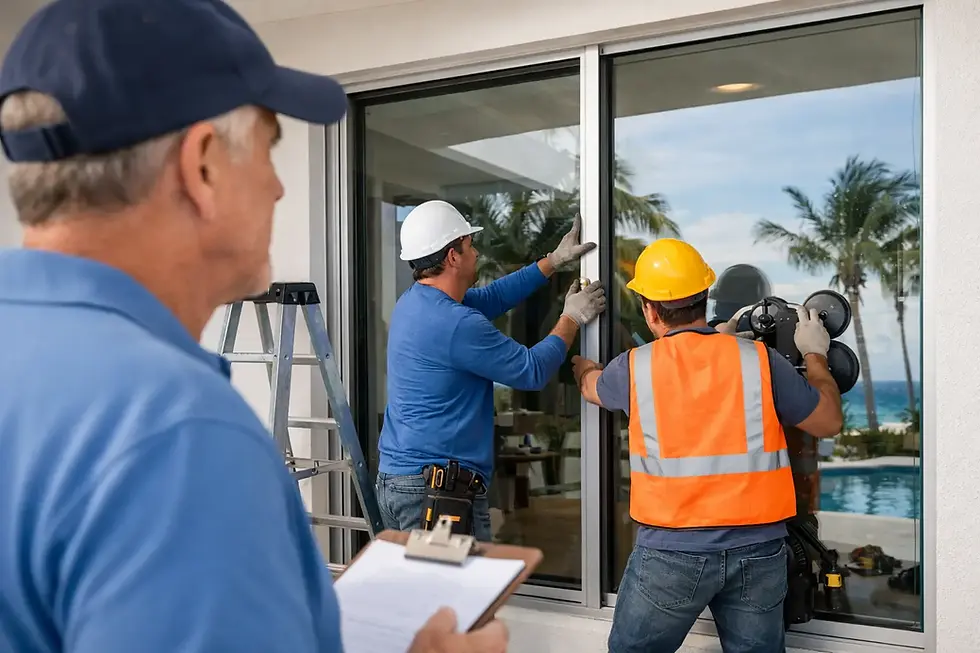
This is also a good point to consider related upgrades. If you plan to replace impact windows, add hurricane protection, update exterior blinds, or install solar panels, discuss the sequence with your contractor. Coordinating projects can reduce repeat disruptions and prevent one improvement from interfering with another. It does not always make sense to do everything at once, but a clear long-term plan protects your investment.
Prepare Your Home for Installation Day
After permits, materials, and the start date are confirmed, a little preparation makes the experience easier. Roofing is active exterior work, and there will be noise, vibration, crew access, and material deliveries.
Move vehicles out of the driveway and garage area if requested, secure patio furniture and loose outdoor items, and keep pets indoors or away from the work zone. Inside, remove fragile items from walls or shelves that could shift from vibration. Let nearby neighbors know the expected schedule as a courtesy, especially if parking or access may be affected.
Your contractor should explain when materials will arrive, where the dumpster or disposal equipment will be placed, and whom to contact if you have a question during the project. Good communication matters. You should never feel unsure about what is happening on your property or whether the home will be protected if weather changes.
Confirm the Final Walkthrough and Documentation
Do not treat the final shingle as the end of the job. A professional roof replacement should include cleanup, a walkthrough, and confirmation that final inspection requirements have been addressed. Review the finished work with your contractor and ask about care, maintenance, warranty documents, and any recommended follow-up.
Keep your contract, permit records, inspection information, invoices, and warranty paperwork in a safe place. These documents can be valuable for insurance conversations, future maintenance, and resale. A well-documented roof replacement provides more than a new exterior surface. It gives you a clear record that your home was improved with the proper process.
Schedule With a Contractor Who Takes Responsibility
The right contractor makes scheduling feel manageable because they handle the technical and administrative details with you, not around you. Look for clear communication, code-aware installation practices, permit support, insurance and licensing information, a defined scope, and a realistic timeline. Be cautious of anyone who pressures you to skip permits, cannot explain the system being installed, or makes vague promises without documentation.
Premier Hurricane Solutions is based in Miami and specializes in impact windows, roofing, and blinds for homeowners who want practical protection and dependable project management. Our owner-supervised team can evaluate your roof, explain your options clearly, handle permits, and discuss financing so you can make a confident decision before severe weather raises the stakes.
If your roof is aging, leaking, or showing storm-related wear, do not wait for hurricane season to make the schedule for you. Call Premier Hurricane Solutions at (305) 963-8067 for a free estimate and a clear plan for your roof replacement. The best time to protect your family’s home is while you still have choices.

Comments