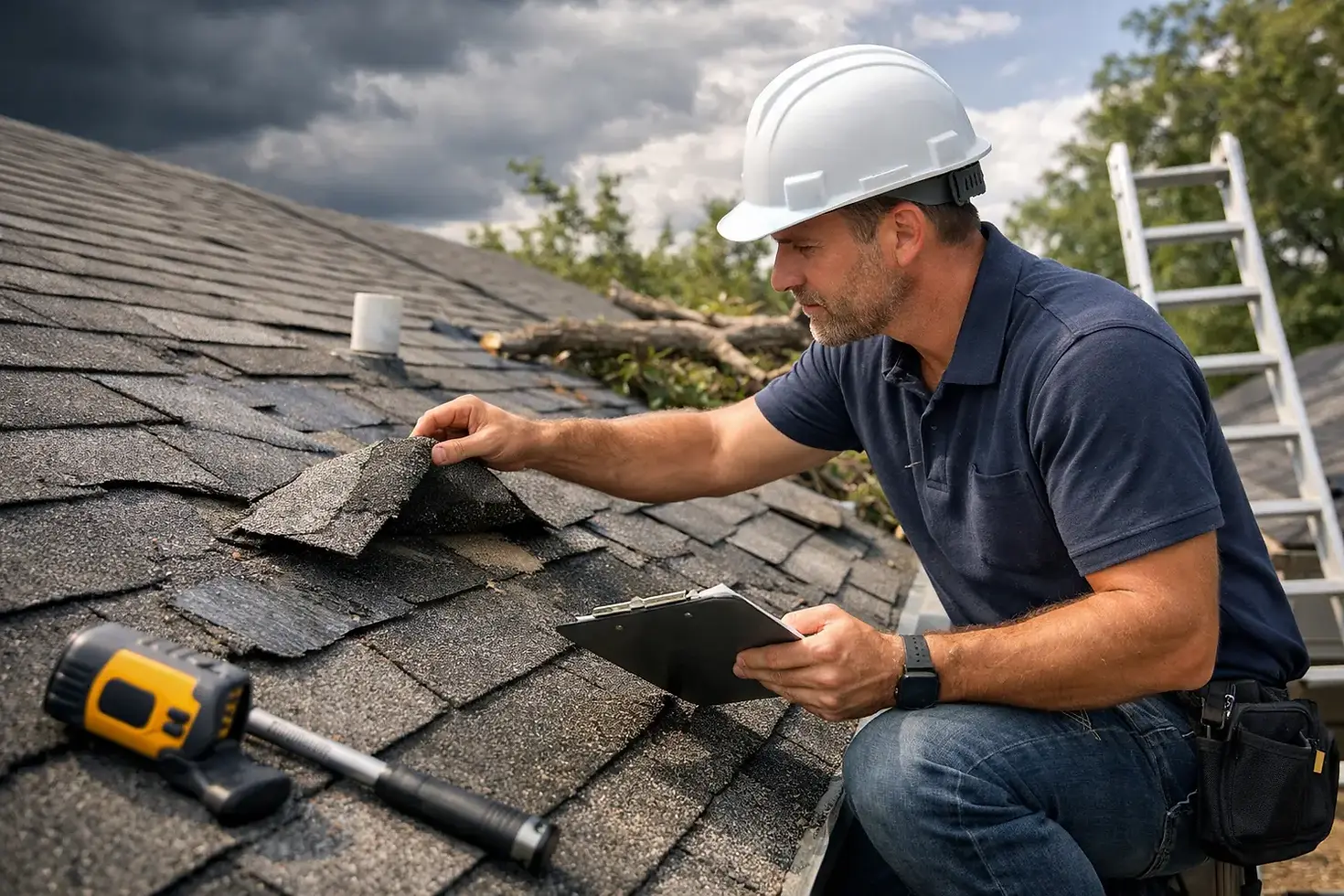
Storm Damage Roof Inspection: What to Check
- crinpr
- May 6
- 5 min read
A roof can look fine from the driveway and still have real storm damage. That is what makes a storm damage roof inspection so important for Florida homeowners. After high winds and heavy rain, the visible problem is not always the most serious one. A few lifted shingles, a small puncture, or flashing that pulled loose can turn into leaks, mold, and structural repairs if it gets missed.
In South Florida, waiting too long is where small problems become expensive ones. Wind-driven rain finds weak spots fast, especially when a roof already has some age on it. If your home has been through a recent storm, the goal is not to panic. The goal is to inspect the right areas, document what you find, and get qualified help before the next weather system puts more stress on the roof.
Why a storm damage roof inspection matters in Florida
Florida roofs take a different level of punishment than roofs in calmer climates. It is not just one dramatic event. It is the combination of intense sun, humidity, seasonal storms, and hurricane-force wind exposure over time. That means damage is not always dramatic or obvious. Sometimes it shows up as subtle movement in materials, loosened edges, minor water intrusion, or wear that suddenly gets worse after one strong storm.
A proper inspection protects more than the roof covering itself. It helps protect insulation, ceilings, drywall, electrical components, and the framing beneath the roof system. For families, that matters because the roof is your first line of defense when weather turns severe.
It also matters for timing. The earlier damage is identified, the more options you usually have. In some cases, a targeted repair is enough. In others, the roof may have enough storm-related wear that replacement makes more sense. It depends on the age of the roof, the extent of the damage, and whether the system can still perform reliably under Florida code expectations.
What homeowners should look for after a storm
The safest first step is a ground-level visual check. Walk around the home and look for signs that something changed after the storm. Missing shingles are an obvious warning sign, but they are not the only one. You may also notice lifted shingles, exposed underlayment, dented metal components, displaced ridge caps, broken tiles, debris impact, or gutters pulling away from the roofline.
Inside the home, pay attention to water stains on ceilings or walls, damp insulation in the attic, musty smells, or drips that appear hours after rainfall ends. Sometimes homeowners assume a leak started in a wall or around a window when the source is actually the roof system above it.
If you have an older roof, even a moderate storm can expose weak points that were already developing. That is why a storm damage roof inspection should look at the full roofing system, not just the most obvious damaged area.
Storm damage roof inspection checklist for key trouble spots
A strong inspection should focus on the parts of the roof where failure tends to begin. Shingles or tiles should be checked for cracks, lifting, loss, and movement. Flashing around vents, chimneys, skylights, and roof transitions should be checked for separation or corrosion. Valleys should be examined for debris buildup and water channeling issues.
The roof deck and underlayment matter too, even though homeowners cannot always see them directly. If water got underneath the outer roofing material, the damage may be more serious than the surface suggests. Fascia, soffits, and gutters can also reveal how wind and water moved across the structure.
Flat or low-slope sections need special attention because ponding water, membrane punctures, and seam separation can be easy to miss from the ground. If your property has mixed roof types, each section should be evaluated on its own terms.
This is where experience matters. Not every mark is storm damage, and not every problem requires a full replacement. A careful inspection should separate cosmetic issues from functional ones so you can make a smart decision instead of an emotional one.
When to call a professional instead of checking it yourself
Homeowners should never climb onto a storm-damaged roof just to get answers. Wet surfaces, loose materials, and hidden soft spots make that risky. Even if you are comfortable on a ladder, storm conditions can leave a roof unstable in ways that are not visible at first glance.
A professional inspection is the right move if you see missing materials, interior water stains, sagging, debris impact, or any sign that wind lifted parts of the system. It is also a smart move if your roof is older and your neighborhood experienced strong gusts, even if damage is not immediately obvious.
Professional inspectors know how to spot less visible warning signs, document findings clearly, and help homeowners understand whether repair or replacement is the better path. That guidance becomes even more valuable when permits, code requirements, and financing are part of the decision.
What happens during a professional roof inspection
A real inspection should be methodical, not rushed. The contractor should examine exterior roofing materials, penetrations, flashing, drainage paths, and visible structural concerns. Interior signs of moisture should also be reviewed when needed. Good documentation is part of the process, especially when storm timing and property protection are important.
For Florida homeowners, code compliance should always be part of the conversation. Repairs and replacements are not just about patching what failed. They need to meet local requirements and support the home’s long-term resilience. That is one reason many homeowners prefer working with a contractor who handles both the technical work and the administrative side.
Based in Miami, Premier Hurricane Solutions specializes in impact windows, roofing, and blinds for homeowners who want protection without the usual confusion. All projects are supervised by the owner, a licensed General Contractor, and the team handles permits and offers financing to make important upgrades more manageable.
Repair or replacement? It depends on the damage
This is where homeowners often want a simple yes or no answer, but roofs do not always work that way. If damage is isolated and the rest of the system is in strong condition, a repair may be the practical option. If the roof is aging, has repeated repairs, or has damage spread across multiple sections, replacement may offer better protection and better value over time.
The trade-off usually comes down to short-term cost versus long-term reliability. A lower-cost repair can make sense if it truly addresses the issue. But if the roof is already nearing the end of its service life, patching one area may only postpone a larger problem.
That is why homeowners need honest guidance, not pressure. The right contractor should explain what they are seeing, what your options are, and how each path affects protection heading into hurricane season.
Why acting early matters before hurricane season
Storm damage rarely improves on its own. Once wind has lifted materials or water has entered the system, the next storm usually makes it worse. In South Florida, that next storm may not be far away.
Acting early gives you more scheduling flexibility, more repair options, and a better chance to complete any needed work before the weather becomes more active. It also reduces the stress of trying to solve a roofing problem while tracking a storm at the same time.
For homeowners in Miami-Dade, Broward, and Palm Beach, this is the season to be proactive. If your roof has recently taken wind or rain damage, now is the time to get clear answers from a contractor who understands local conditions, permitting, and installation standards.
If you need a free estimate, call (305) 963-8067. You will get straightforward guidance, owner-supervised service, help with permits, and financing options if larger work is needed. When your family’s safety is on the line, a timely inspection is not just maintenance. It is peace of mind before hurricane season puts your home to the test.
The best time to find a roof problem is before the next storm does.


Comments