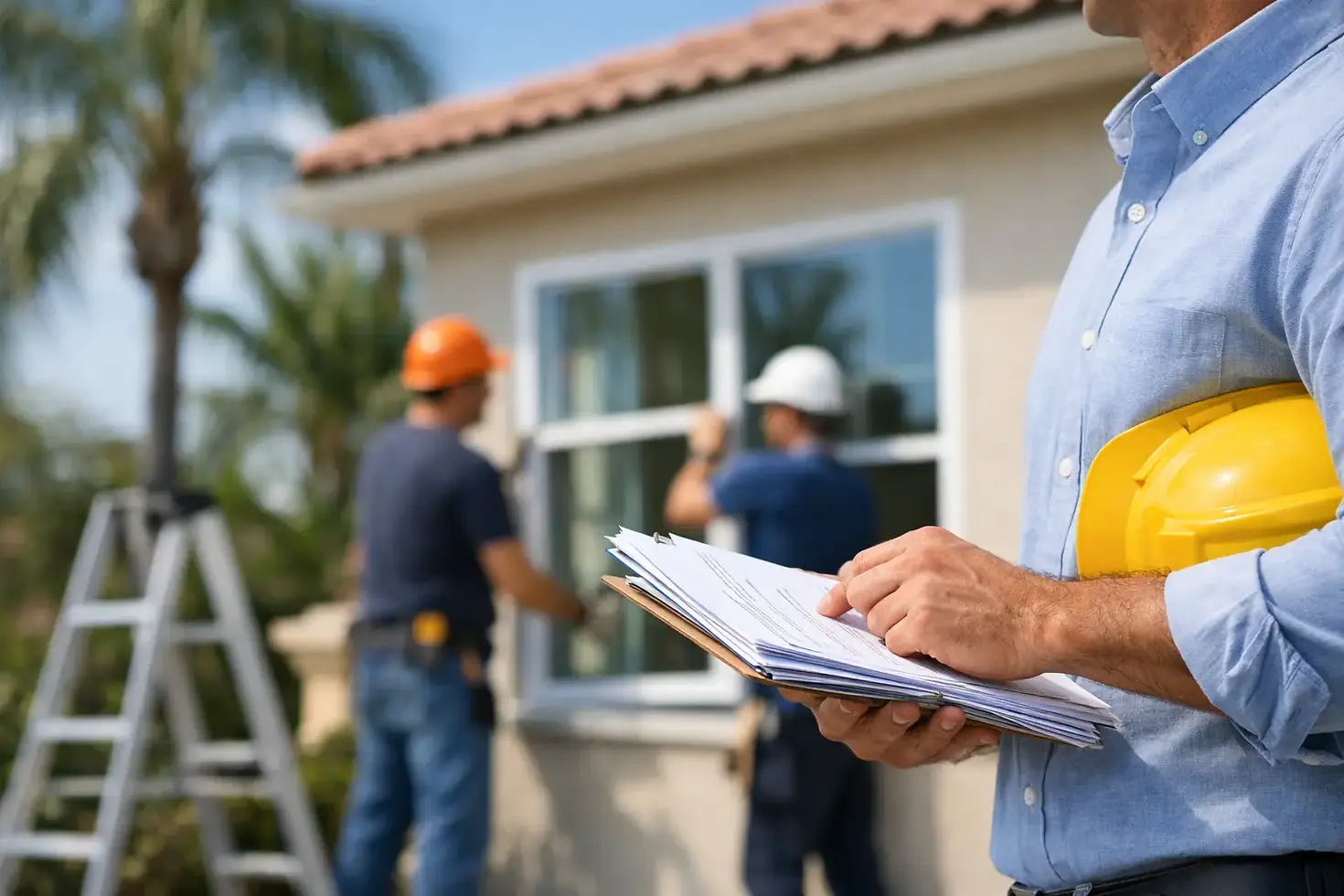
Who Pulls Permits for Windows in Florida?
- crinpr
- Jul 17
- 5 min read
A window replacement should make your home safer, not leave you wondering whether an inspector can stop the job halfway through. Homeowners often ask, who pulls permits for windows? In most Florida impact-window projects, the contractor should take responsibility for preparing, submitting, and managing the permit. That is especially valuable in Miami-Dade, Broward, and Palm Beach counties, where wind requirements and local building rules can be demanding.
The homeowner is still part of the process. Your name is generally on the permit as the property owner, and you may need to approve documents or provide association paperwork. But you should not be left to interpret product approvals, wind-load requirements, or inspection schedules on your own. A qualified contractor handles those moving parts so your project stays legal, organized, and focused on what matters most: protecting your family and home.
Who Pulls Permits for Windows: Contractor or Homeowner?
For a professionally installed window project, the contractor typically pulls the permit. This means the contractor submits the permit application to the local building department, provides the required license and insurance information, includes product approvals and installation details, pays applicable permit fees as outlined in the contract, and schedules required inspections.
That division of responsibility is not just convenient. It creates accountability. The company performing the work should be prepared to stand behind the installation details presented to the building department. If a permit application needs corrections, the contractor should address them. If an inspection identifies an issue, the contractor should coordinate the correction and reinspection.
A homeowner can apply for a permit as an owner-builder in some jurisdictions. However, that route carries real responsibility. You may become responsible for code compliance, documentation, subcontractors, inspections, and any corrections required by the building official. For a straightforward cosmetic project, homeowners may be comfortable taking on administrative work. For impact windows that protect a Florida home during severe weather, it is usually wiser to have a licensed contractor manage it.
Be cautious when a company asks you to pull the permit for work it plans to install. There can be legitimate circumstances, such as an owner-builder project where the homeowner is genuinely supervising the work. But it can also be a warning sign that the installer is not properly licensed, insured, or willing to accept responsibility for the job.
Why Window Permits Matter in South Florida
A permit is not paperwork for paperwork's sake. It is the building department's way of confirming that a window replacement meets the applicable safety standards for your property and location. In hurricane-prone areas, those standards can involve approved impact products, proper anchoring, structural opening conditions, and installation methods designed for the wind zone.
An impact window is only as reliable as its product approval and installation. A high-quality window installed with the wrong fasteners, incorrect spacing, or inadequate attachment to the opening may not perform as intended when high winds and debris strike. Permitting and inspections add a layer of verification that the project follows the approved plan.
Permits can also protect you when you sell or refinance. Unpermitted improvements may raise questions during inspections, appraisals, insurance reviews, or a buyer's due diligence. Correcting an unpermitted project later can cost more than doing it properly from the beginning, particularly if work must be opened up for verification.
The exact requirements depend on your municipality, home type, and scope of work. Replacing windows in a single-family home is different from upgrading units in a condominium, where association approvals and common-area rules may apply. Historic districts, homes with structural damage around the openings, and projects that include doors or masonry modifications can require added review.
What a Good Window Permit Process Looks Like
The best permit process begins before the order is placed. Your contractor should measure the openings, discuss the protection level you need, and select products that are suitable for the home and local code requirements. That planning helps avoid a frustrating situation where windows arrive but cannot be installed because the permit documents or product approvals do not match the project.
After the agreement is in place, the contractor gathers the documents required by the jurisdiction. Depending on the job, this can include a permit application, contractor credentials, product approvals, engineering information, a site plan, and notices or affidavits required by local rules. Some municipalities issue permits quickly, while others may request revisions or take longer during busy construction periods.
Once the permit is issued, installation can move forward. The crew removes existing windows, prepares openings as needed, installs the approved products, and completes required sealing and finishing work. An inspection is then scheduled at the appropriate stage. If the inspector requests a correction, a responsible contractor handles it rather than leaving the homeowner to chase answers.
Final approval matters. Ask how you will know the permit has been closed and whether you will receive final documentation for your records. A contractor who handles permitting should be clear about where the process stands from application through final inspection.
Questions to Ask Before You Sign a Window Contract
You do not need to become a building-code expert, but a few direct questions can reveal whether a contractor has a dependable process. Ask who will apply for the permit, whose name the permit will be under, whether permit fees are included or separate, and what happens if the building department requests changes.
Also ask whether the quoted window system is approved for your location and whether the contract identifies the products being installed. If you live in a condo or HOA community, ask what documents you need to supply and whether the company can help coordinate the information. The association may have color, style, timing, or insurance requirements that are separate from the city or county permit.
Do not make your decision on price alone. A lower quote can look attractive until permit fees, engineering, inspections, corrections, or insurance gaps appear later. The better value is a properly planned installation that combines compliant products, experienced workmanship, clear communication, and a contractor who accepts responsibility for the administrative side of the work.
Permit Delays: What Homeowners Can Do
Not every delay is preventable. Municipal review times can increase before hurricane season, and an incomplete HOA package can hold up even a fully prepared permit application. Still, homeowners can help keep the project moving by responding promptly when signatures, property documents, or association approvals are needed.
It also helps to make decisions early. Changing window styles, sizes, or configurations after permit documents are submitted may require revised paperwork and extend the timeline. If you are comparing financing options, settle that portion before the product order is released when possible. Good financing can make a major protection upgrade more manageable, but it should support a well-defined project, not rush you into an unclear contract.
At Premier Hurricane Solutions, based in Miami, we specialize in impact windows, roofing, and blinds for homeowners who want practical protection without being handed a stack of permit problems. We handle permits and offer financing options, and every project is supervised by the owner, a licensed General Contractor. That level of oversight helps keep your installation aligned with the plan from the first measurement to final inspection.
If your windows are outdated, damaged, or not built for the next major storm, do not wait until hurricane season is already approaching. Call (305) 963-8067 for a free estimate and a clear conversation about impact windows, permitting, timelines, and financing. The right time to protect your home is while you still have time to choose the contractor and solution your family can trust.


Comments